

When most people think about learning, they picture a child sitting at a table with a pencil in hand, practicing letters, numbers, or completing a worksheet.
For a long time, I pictured learning that way too.
I had been a teacher for ten years before becoming a mom. Even with all of my experience in education, I fell into the trap of believing that learning needed to look a certain way. I thought children learned best by sitting down, practicing skills on paper, and showing what they knew through worksheets.
When my daughter reached preschool age, I was determined to help her get ready for kindergarten. I wanted her to know her letters, recognize numbers, and learn how to write her name. So I did what many parents do. I bought workbooks and planned to work through a page each day.
I was excited.
She was not.
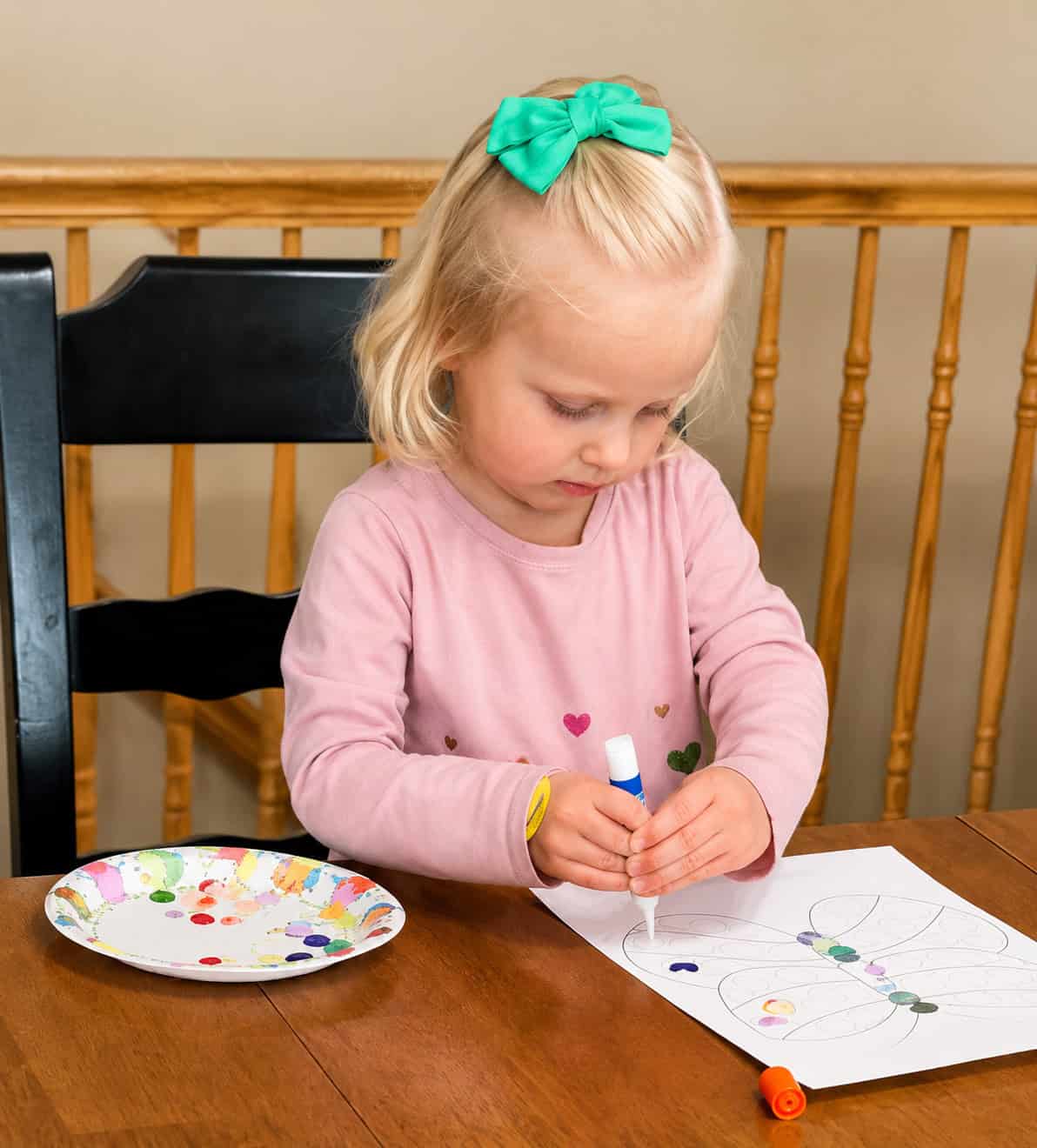
No matter what workbook I bought or how many times I tried, she had very little interest in sitting down and completing the pages with me. The more I pushed, the more frustrated we both became.
Then one day I came across an idea to hide letter cards around the room. When she found a letter, we would say its name and sound together.
She loved it.
She wanted to play again and again. Before long, she knew her letters and the sounds they made.
But even then, I worried.
Was I doing enough?
Was she really learning what she needed to know?
I continued buying workbooks and tried rewards, incentives, and every trick I could think of to get her to show her learning on paper. She disliked every minute of it.
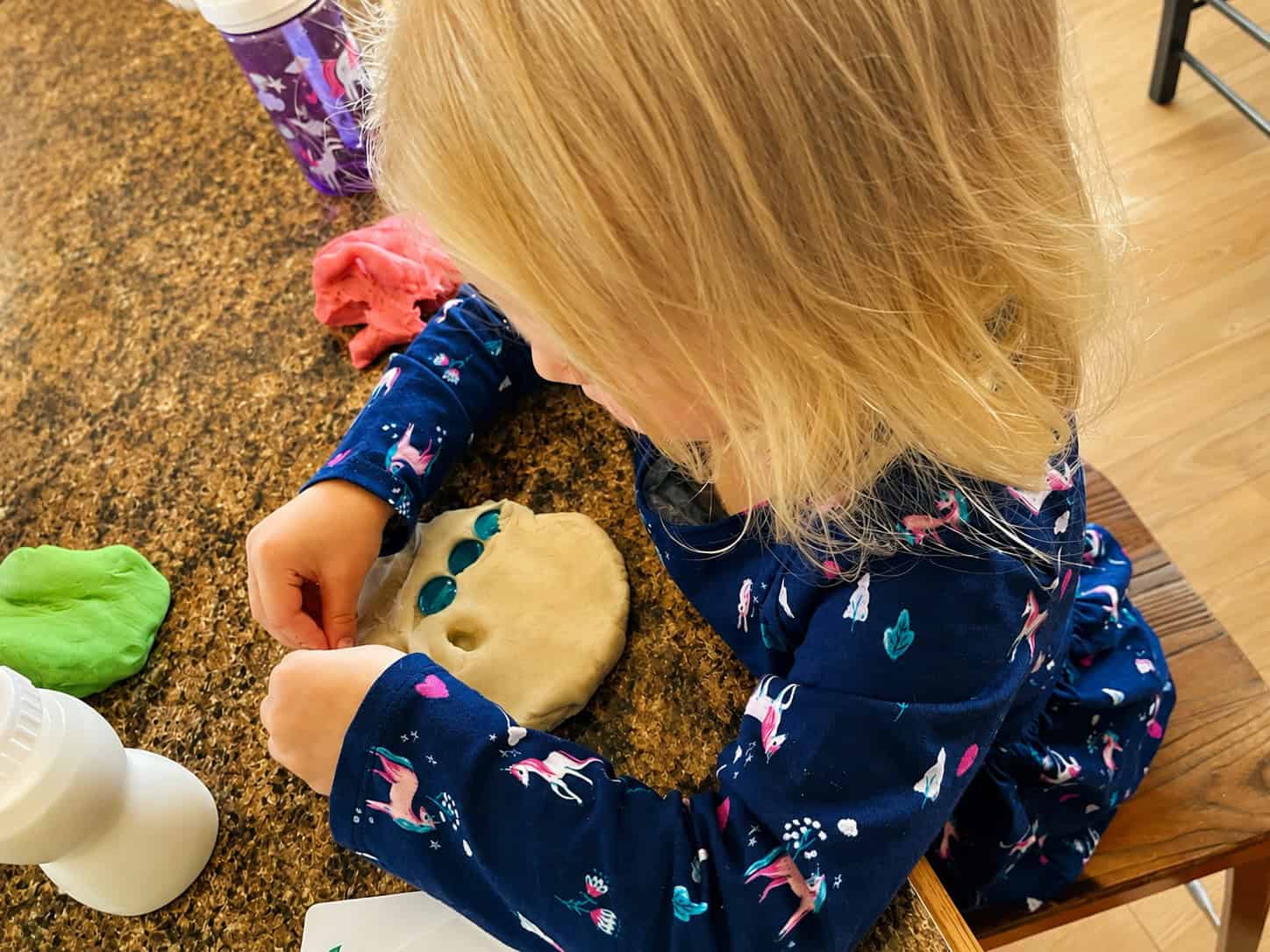
So instead, I started turning the worksheets into games. We added movement. We used manipulatives. We made learning hands-on.
And something surprising happened.
The more learning looked like play, the more engaged she became. And the more engaged she became, the more learning happened.
That’s when I realized something important:
Play wasn’t getting in the way of learning.
Play was making learning possible.
Play Makes Learning Something
Children Want to Do
Children are naturally drawn to play. They love to explore, experiment, move, create, and discover new things. When children are curious and engaged, learning feels exciting instead of something they have to do.
As parents and educators, we all want children to love learning. We want them to ask questions, try new things, and feel confident exploring the world around them.
But how do we help children develop that love of learning?
One of the easiest ways is to make learning playful.
A simple game board drawn on a piece of paper can turn letter practice into an adventure. A beanbag toss can become a math activity. A game of hide-and-seek with letter cards can build phonics skills without ever feeling like a lesson.
The goal isn’t to trick children into learning. The goal is to present learning in a way that matches how young children learn best.
When learning feels like play, children are more likely to participate, stay engaged, and keep coming back for more.
Practice Doesn’t Feel Like Practice
One of the secrets to learning is repetition.
When my daughter searched for letter cards around the house, she wasn’t just having fun. She was repeatedly seeing letters, saying their names, and practicing their sounds.
When we turned learning into games, she wanted to practice those skills over and over again.
The repetition that felt frustrating in a workbook felt exciting in a game.
That’s one of the reasons play is so powerful. Children willingly engage in the practice they need because they’re having fun. They aren’t focused on mastering a skill. They’re focused on the game.
And sometimes that’s exactly what makes the learning stick.
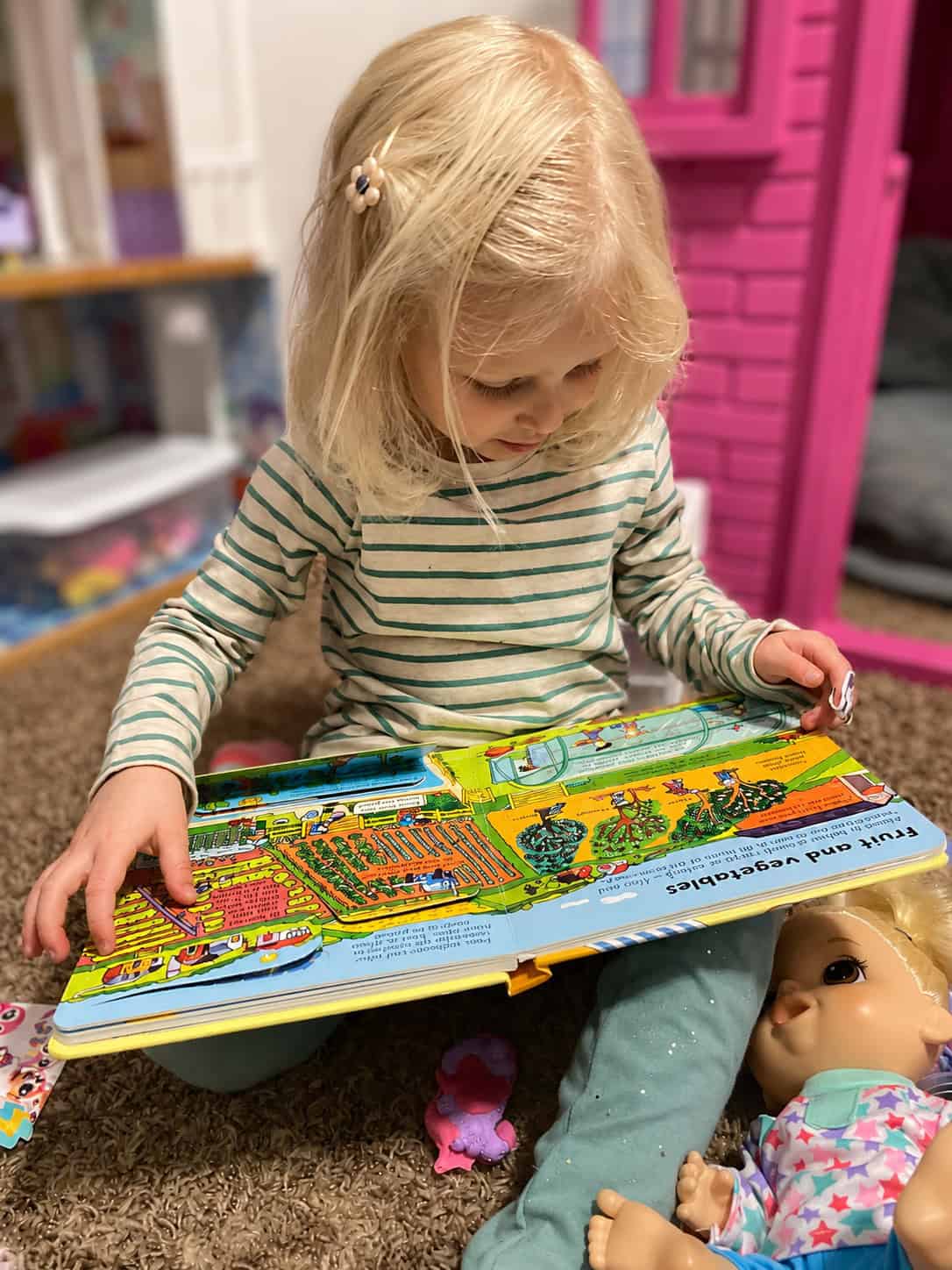
For years, I worried that play wasn’t enough.
What I eventually discovered was that play wasn’t competing with learning. For young children, play is often how learning happens best.
I thought learning needed worksheets.
I was wrong.
Learning needed engagement. Learning needed practice. Learning needed curiosity.
And for my daughter, play was the key that unlocked all three.
That’s why play is at the heart of everything we create at Schoolery.

